The Flavor Trap: How Sweet Tastes Hook Young Users
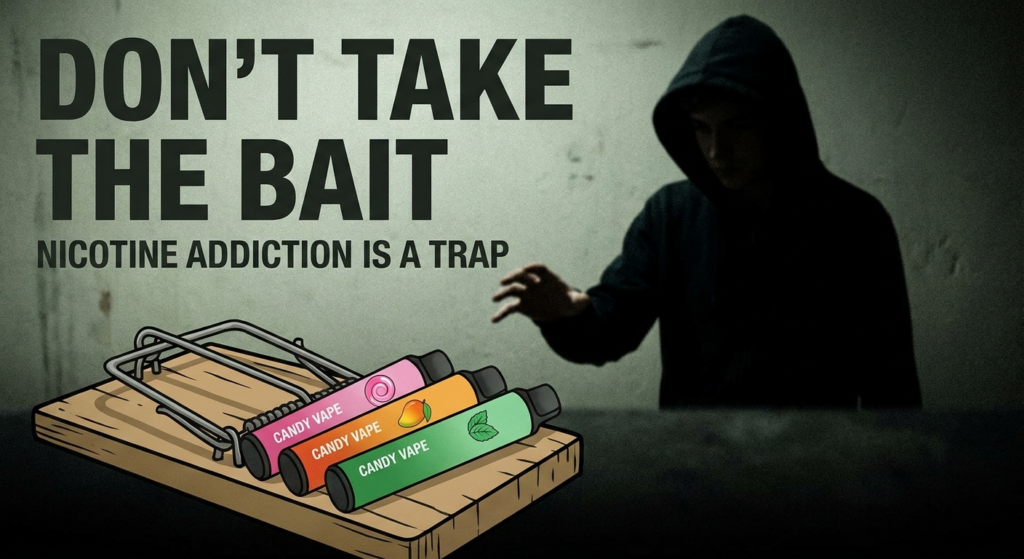
The candy-like flavors dominating the e-cigarette market aren’t just marketing gimmicks—they’re carefully engineered tools designed to attract young users. Understanding how flavor profiles hook teens is essential for parents, educators, and policymakers working to combat the youth vaping epidemic.
Why Flavors Matter: The Science of Taste and Addiction
Research from the FDA and CDC consistently shows that flavors are the primary reason young people try e-cigarettes. A staggering 81% of youth who have ever tried vaping cite appealing flavors as their main motivation. But why are sweet flavors so effective at capturing young users?
The answer lies in adolescent brain development. The teenage brain is particularly sensitive to novel experiences and rewards. Sweet flavors trigger dopamine release—the same neurotransmitter involved in nicotine addiction. When combined with nicotine, these flavors create a powerful one-two punch that makes vaping especially addictive for young users. Learn more about how nicotine affects the developing teen brain.
The Flavor Playbook: How Marketing Targets Youth
Candy and Dessert Flavors: The Gateway
Names like “Unicorn Milk,” “Gummy Bear,” “Cotton Candy,” and “Bubblegum Blast” deliberately mimic popular childhood candies. These flavors mask the harshness of nicotine, making inhalation easier for first-time users who might otherwise cough or experience throat irritation. The familiar, comforting taste of childhood treats reduces the perceived risk while increasing appeal.
Fruit Flavors: The “Healthier” Illusion
Mango, strawberry, watermelon, and mixed berry flavors create a false sense of safety. Many teens believe that “fruit-flavored” means “less harmful” or even “healthy.” This misconception is deliberately exploited by manufacturers. In reality, these flavors often contain higher concentrations of sweeteners and chemical additives that, when heated and inhaled, create new toxic compounds.
Menthol and Mint: The Cooling Deception
Menthol flavors deserve special attention. The cooling sensation numbs the throat, allowing users to inhale more deeply and hold vapor longer in their lungs. This increases nicotine absorption and accelerates addiction. Menthol has a well-documented history in traditional cigarettes for the same reason—the tobacco industry has long understood its addictive potential.
The Hidden Chemical Cocktail
What many users don’t realize is that flavoring chemicals undergo dangerous transformations when heated. A 2019 study published in the journal Environmental Health Perspectives found that:
- Vanillin (vanilla flavoring) produces harmful acetaldehyde when vaporized
- Diacetyl, used for buttery flavors, causes “popcorn lung”—a serious, irreversible lung disease
- Some cinnamon-flavored products contain cinnamaldehyde at levels toxic to lung cells
- Sweet flavorings often contain higher levels of ultrafine particles that penetrate deep into lung tissue
These chemicals are considered “generally recognized as safe” for food consumption—but that designation doesn’t apply to inhalation. The lungs are not equipped to process these compounds, leading to inflammation, oxidative stress, and long-term damage.
The Addiction Amplifier
Flavors don’t just attract users—they intensify addiction. Studies show that flavored e-liquids deliver nicotine more efficiently than unflavored versions. The pleasant taste creates positive associations that strengthen the addiction cycle. Teens who start with flavored products show higher nicotine dependence scores than those who use tobacco-flavored alternatives.
This is particularly concerning given the nicotine concentrations in modern disposable vapes. Some products contain as much nicotine as an entire pack of cigarettes, delivered in a format that feels harmless due to the sweet masking flavors. For teens struggling with addiction, resources are available in our guide to quitting vaping.
Regulatory Responses and Loopholes
In 2020, the FDA restricted flavored cartridge-based e-cigarettes, but the policy contained significant loopholes:
- Disposable devices were exempt—the category most popular with teens
- Menthol remained permitted despite its documented appeal to young users
- Tank-based systems fell outside the restriction
Manufacturers quickly shifted production to disposable formats, and youth vaping rates barely declined. The lesson is clear: flavor restrictions must be comprehensive to be effective. Partial bans simply redirect the market without reducing harm.
What Parents Can Do
Understanding the flavor trap is the first step in protecting your teen. Here’s how to address this specific issue:
Start Conversations Early
Discuss how flavors are specifically designed to attract young people. Explain that “cotton candy vape” is no different from tobacco companies using cartoon characters—it’s manipulation disguised as fun. For more guidance on these conversations, see our essential parent guide.
Recognize the Devices
Modern disposable vapes are designed to look like USB drives, highlighters, or even candy packaging. Be aware of products like Puff Bar, Elf Bar, and Hyde—brands that specifically market sweet flavors to younger demographics. Learn the signs of teen vaping to catch use early.
Advocate for Change
Support comprehensive flavor bans at the local and state level. Contact legislators and school boards about restricting flavored tobacco products in your community. Collective action through community prevention strategies creates the policy environment needed for real change.
The Bottom Line
The flavor trap is not an accident—it’s a calculated business strategy. By understanding how sweet tastes hook young users, we can better educate teens about manipulation, support stronger regulations, and ultimately protect the next generation from nicotine addiction.
Knowledge is power. When teens understand that their taste preferences are being exploited, they’re more likely to recognize the manipulation and make informed choices. The battle against youth vaping requires addressing not just the nicotine, but the flavors that make it palatable in the first place.
For schools looking to implement comprehensive prevention programs, our guide on school vaping policies provides actionable strategies for addressing flavored products in educational settings.